
Can I get rid of rats in the garden?
The answer? ‘Yes and No’!
Most of the work that we do to rid customers of rodents is indoors – especially in autumn and winter. In these cases, there is a clear procedure to remove the rodents and also a clear plan to carry out proofing work to stop the problem from re-occurring.
Rats outdoors are harder to remove
When rats are a problem in a garden the treatment and advice varies more than when rats are inside a property.
Identification & Signs
Q. How do I know if I definitely have rats in my garden rather than, say mice?
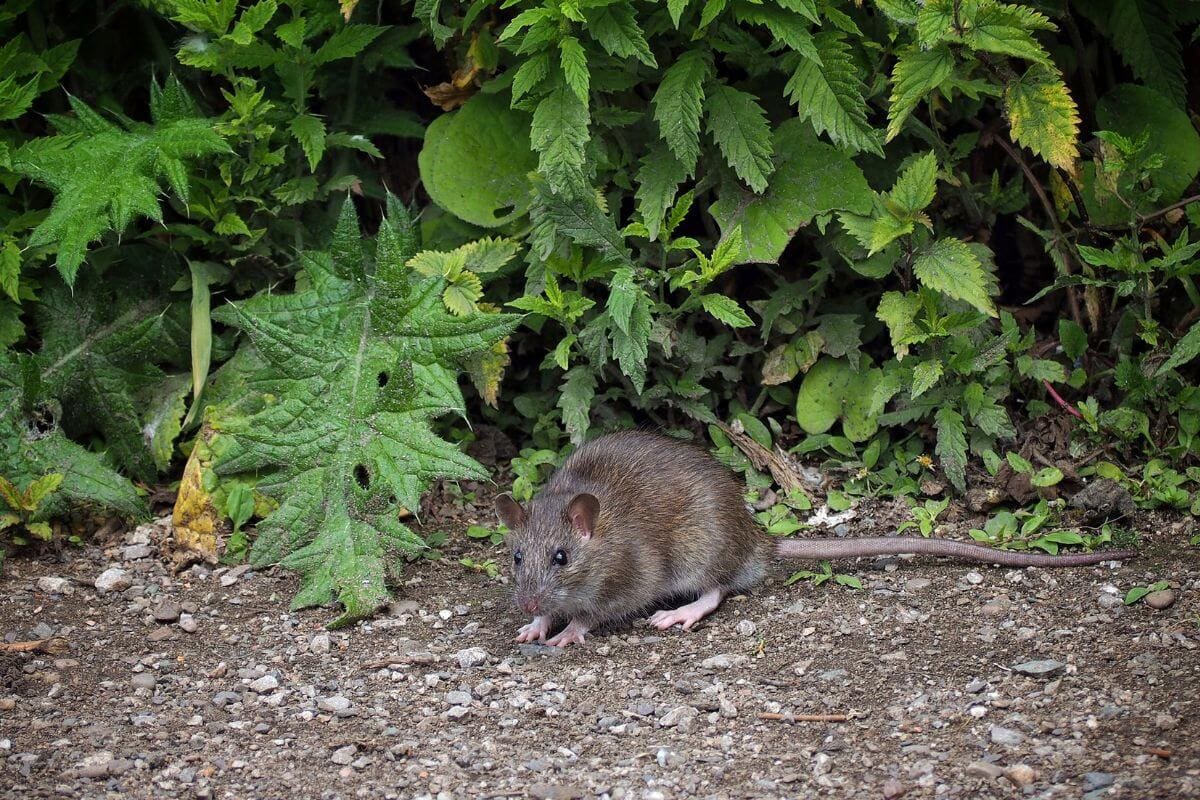
Rats leave tennis ball sized holes. Rat runs are more noticeable around sheds, greenhouses and compost bins. Mice holes are much smaller – ‘golf ball size’ and are more subtle.
Q. What time of year are rats most likely to appear in UK gardens?
Rats can be seen all year around, however, they tend to be more active between September and November.
Q. Are the droppings I’ve found definitely from rats?
Rat droppings are much bigger than mice droppings. While mice droppings are similar size to a grain of rice, rat droppings can be up to half an inch in size.
Safety & Health Concerns
Q. Is it safe to let my children play when there are rats in the garden?
Again: Yes and No – if you have rats in your garden then they will be leaving urine, faeces and saliva behind. These carry diseases. Ideally, until the rat problem is controlled then the safest thing to do is to not let your child play outside. However, if they do then make sure they don’t touch their face until they have thoroughly washed their hands.
Q. Can my cat or dog get sick from rats in our garden?
Yes!
Q. What diseases can rats actually pass to humans in the UK?
Diseases such as salmonella, leptospirosis and hantavirus are carried and transmitted by rats.
Prevention & Causes
Q. What will attract rats to my garden?
Rats are attracted to a garden to find shelter and to find food and water. With regards to shelter, the best way to keep rats away is to eliminate dry sheltered spaces where possible. Rats love to hide under wooden decking or under a wooden shed & even in wood piles.
Q. Will cleaning up fallen apples from my fruit trees help prevent rats?
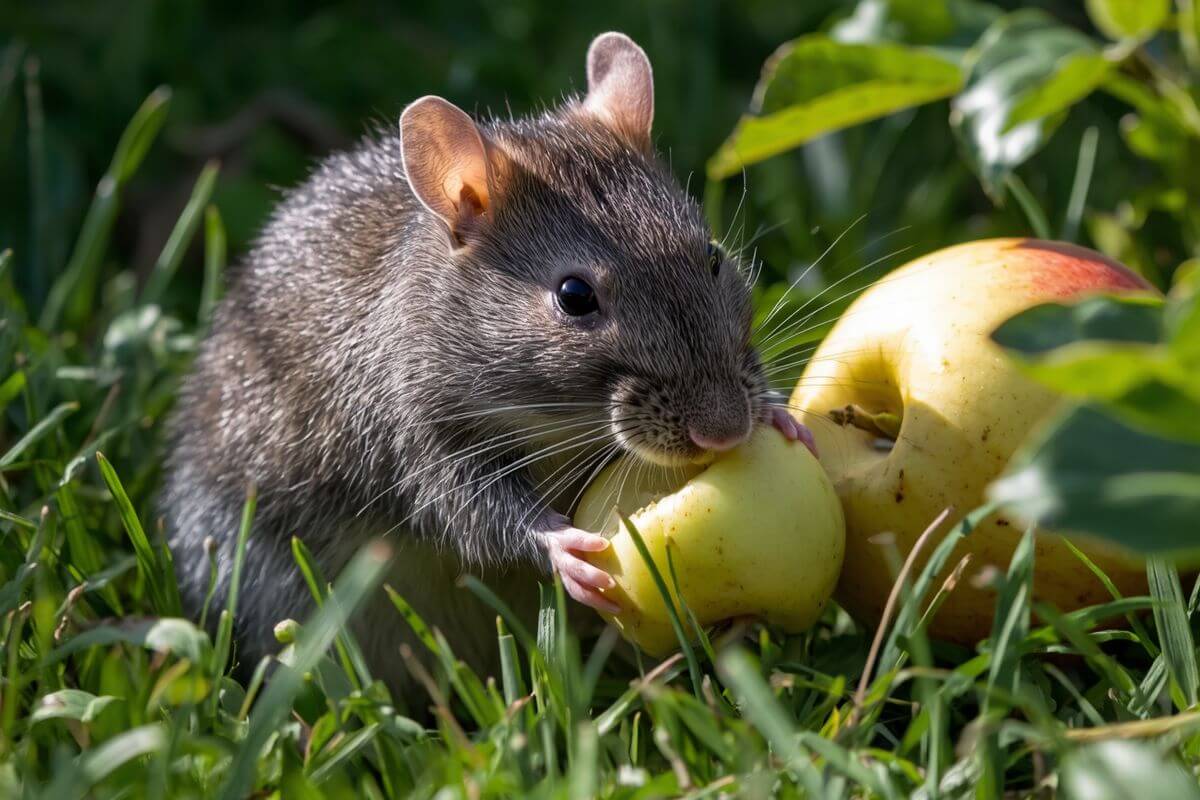
The simple answer is yes. Fallen fruit is an easy way for rats to get a quick meal. Although rats generally prefer a cereal based diet they are not fussy eaters by any means.
Q. Do compost bins really attract rats and should I stop composting?
Compost bins can attract rats especially if they are set on the ground rather than raised up. It’s always best to install a wire mesh base with very small holes (under 15mm) so rats can’t get in. Also site it in an open space where rats would feel vulnerable.
Q. Can I feed birds without attracting rats?
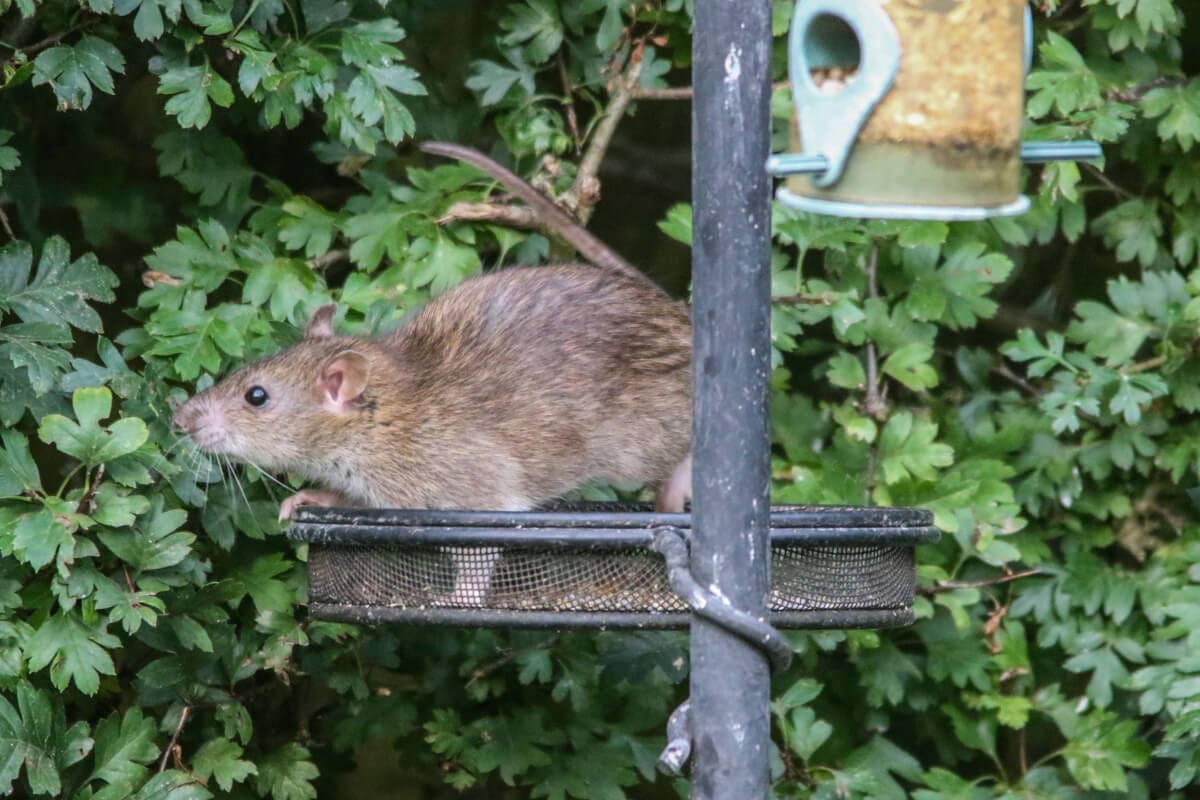
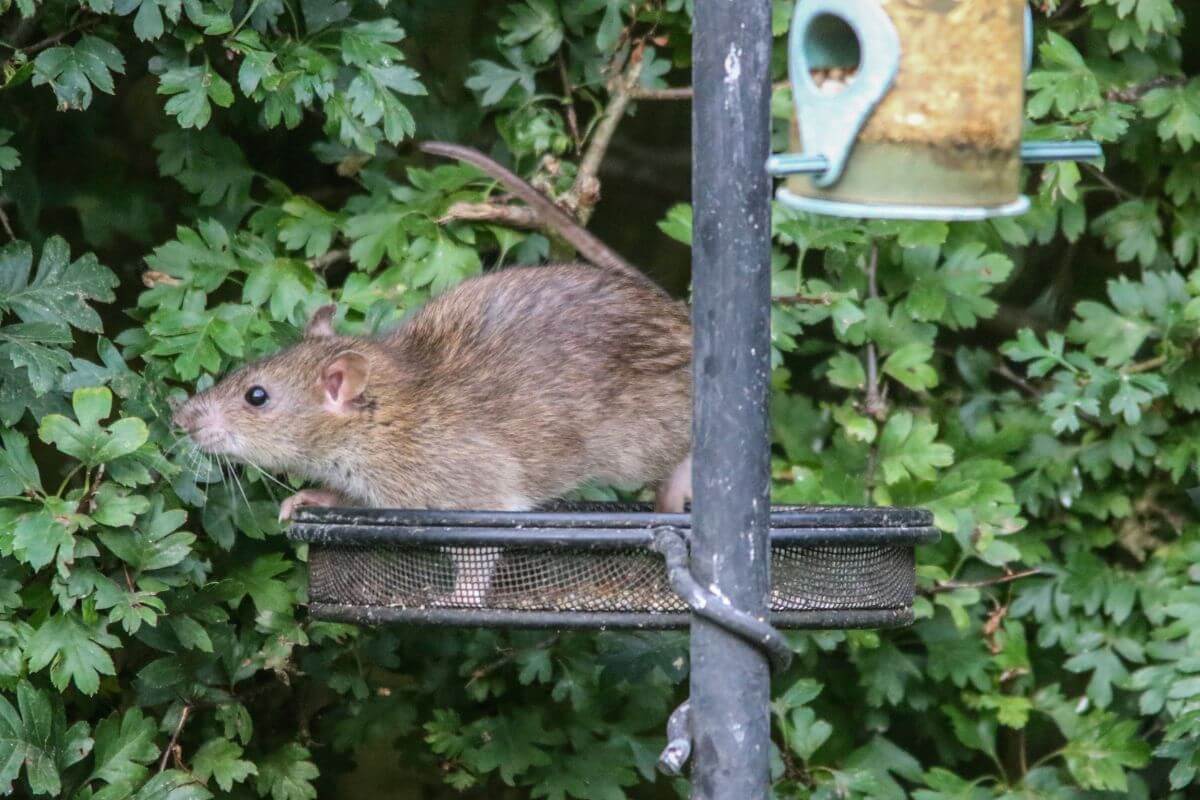
The most usual source of food in a garden for rats are bird feeders. Rats will find the bird food and return to take more. Most bird feeders are placed at high level but with spillage onto the ground this will be enough to attract them. Some bird feeders are manufactured to minimise the spillage onto the ground and these feeders are better, but birds are not always tidy eaters and there will always be some spillage. Rats are also great climbers and will climb trees to access bird feeders.
Treatment Methods
Q. What’s the most effective way to discourage rats without poison?
If food bins are not kept sealed, if pet food is kept in sheds in weak containers or food is not tidied away after a BBQ or a garden lunch this will make your garden somewhere rats will think is worth foraging. Long grass, overgrown bushes and climbers are also a haven for rats to hide in.
Q. Do ultrasonic rat deterrents actually work in gardens?
Most answers to this seem to be no. There is no scientific evidence to prove long term effects. Most people that have tried these say they notice a difference over a week or two but then the problem comes back. This is probably because rats are neophobic which means they are fearful of new things, so once they are used to it they will simply ignore it.
Q. How long does it typically take to get rid of a rat problem?
If a professional deals with a rat problem then it can normally be taken care of within 4-5 weeks. If the infestation is particularly large then it could take a few extra weeks to see the treatment out.
Q. What are the most humane ways to deal with garden rats?
By keeping your house secure and your garden free of clutter with no food source then the rats won’t be interested in your garden.
Practical Concerns
Q. Will getting rid of rats in my garden just send them to my neighbours?
No. If rats are using your garden then they’re probably already using your neighbours’ gardens too. However, if your neighbours garden is well maintained then the rats are less likely to use it for nesting / feeding but rather as a rat run between gardens. Sometimes, a neighbour who has a rubbish filled garden or one who keeps chickens can impact the surrounding neighbours. In cases like this it requires neighbourly diplomacy to try and get all parties together to solve the problem.
Q. Can rats come back after I’ve successfully removed them?
Yes. The great outdoors is the rat’s home after all. We can never promise to get rid of rats permanently. As long as you follow the advice given by our technicians and in this blog then the risk of rats coming back is significantly minimised.
Cost & Professional Help
Q. When should I call a professional instead of trying DIY rat control?
Many of our customers come to us because they are not comfortable in using over the counter bait due to the risk to pets and wildlife from not using poison safely. Others have tried this approach and it has failed to resolve the problem so call in a pest company like us.
Q. How much does professional rat removal typically cost in the UK?
Rat treatment is usually carried out as a plan of several visits over 4 to 5 weeks rather than a single call-out, so the cost depends mainly on how many visits are needed. A larger infestation can take a few extra weeks to treat, and the price will also depend on the size of the property and whether any proofing work is needed to stop the rats getting back in. We offer free survey visits, so you know exactly what’s involved and what it will cost before any work starts.
We can advise you
At Pest Wizards, we are always happy to talk to you, give specific advice and to carry out a survey to see where the main problems may lie. We know it’s no un to have rats in the garden.
If you would like to find out more about the rat removal services we offer visit our rat removal page or schedule a call.