
Tell tale signs you have a wasp nest
Trying to work out whether you’ve got a single wasp who’s lost its way, or an actual wasp nest tucked away somewhere on your property? Seen something you’re not sure is a nest? Have way more wasps than you should?
This article walks you through the signs to look for, where wasp nests typically end up, how to tell wasps apart from bees (which matters more than you might think), and what to do next.
What are the first signs of a wasp nest?
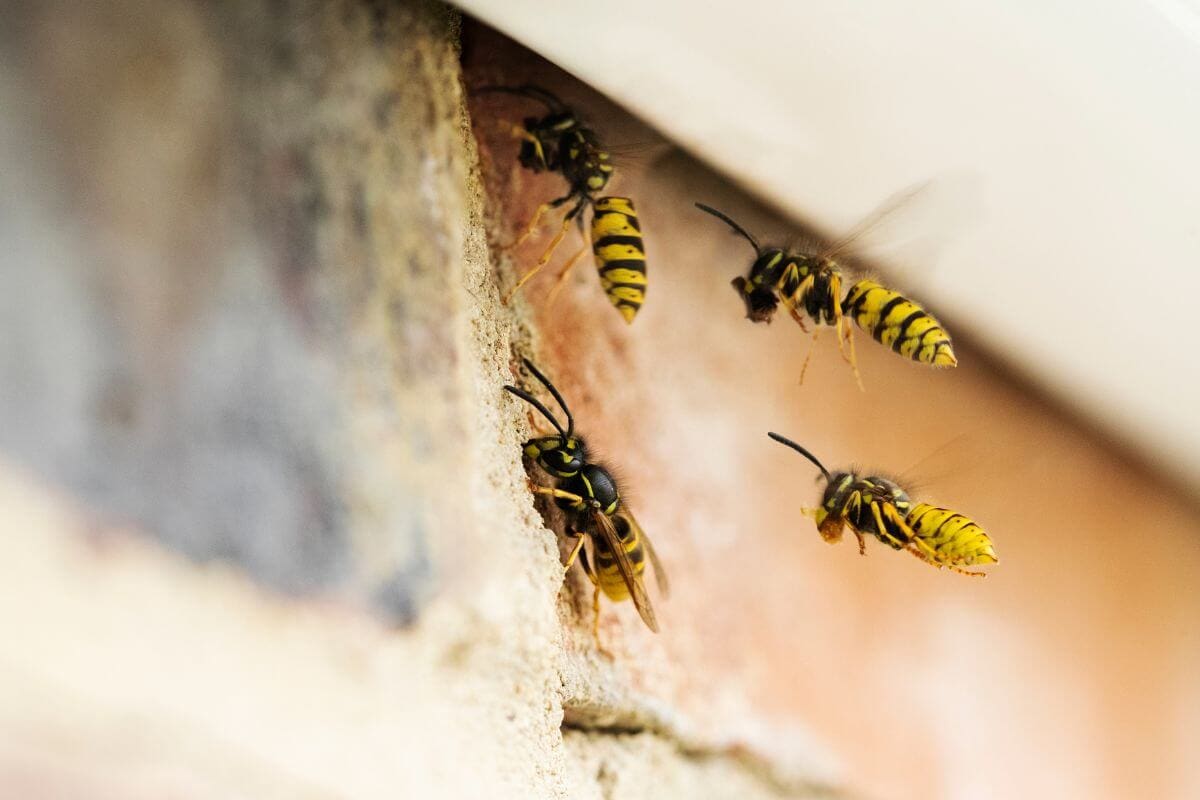
The single most reliable sign you’ve got a wasp nest is a steady stream of wasps coming and going from the same spot.
It’s sometimes called a “wasp highway”. You’ll see one wasp leave from a particular gap, fly off purposefully, and a few seconds later another arrives and disappears inside. Stand and watch for two minutes from a safe distance and you’ll see the pattern clearly. A nest in full swing has wasps coming and going every few seconds.
This is different from a single wasp investigating your house, which you’ll often see in spring when queen wasps are looking for nest sites. One wasp visiting once is nothing to worry about. Multiple wasps using the same entry point repeatedly is a nest.
The entry point is usually small. A gap in a soffit, a missing tile, a crack between bricks, a hole in cladding. You’re looking for a single small opening with traffic, not an obvious nest hanging in the open. The nest itself is almost always hidden inside a void or in the loft.
Sounds in the walls, loft or ceiling?
If you’ve got a wasp nest in your loft or a wall cavity, you can often hear it before you see it.
The sound is a soft, papery rustling. It comes and goes. It’s often more noticeable at dawn and dusk when the rest of the house is quiet. As the nest grows through summer, the rustling becomes a low buzzing or humming. People often describe it as sounding like crisp packets being slowly crumpled, or like something scratching gently inside the wall.
If you hear something like that and you can’t find any other explanation (no rodents in the loft, no birds nesting under the eaves), wasps are the next thing to consider.
Where do wasps usually build their nests?
Wasps build their nests in sheltered, hidden spots that are protected from rain. The most common locations on a UK property are:
Lofts and roof spaces. Probably the single most common location. Wasps get in through gaps in soffits or under tiles and build the nest hanging from a rafter.
Under eaves and in soffits. A favourite. The nest is hidden inside the void but the entry point is visible from outside if you know what to look for.
Sheds, garages and outbuildings. Anywhere that doesn’t get disturbed for weeks at a time. Often hanging from a rafter or in a ceiling corner.
Air bricks and wall cavities. The wasps use the air brick as the entrance and build inside the cavity. If you’ve got an air brick with constant wasp traffic, that’s almost certainly a nest.
In the ground. Some wasp species nest underground, typically in old animal burrows, under decking, or at the base of hedges. The giveaway is wasps emerging from a hole in the lawn or flower bed.
Behind shutters, cladding, or fascia boards. Anywhere with a small accessible gap leading to a sheltered cavity.
Walking the perimeter of your property and watching for two or three minutes in different spots will usually reveal the entry point. Look up. Domestic wasp nests are nearly always at first floor level or above.
What does a wasp nest actually look like?
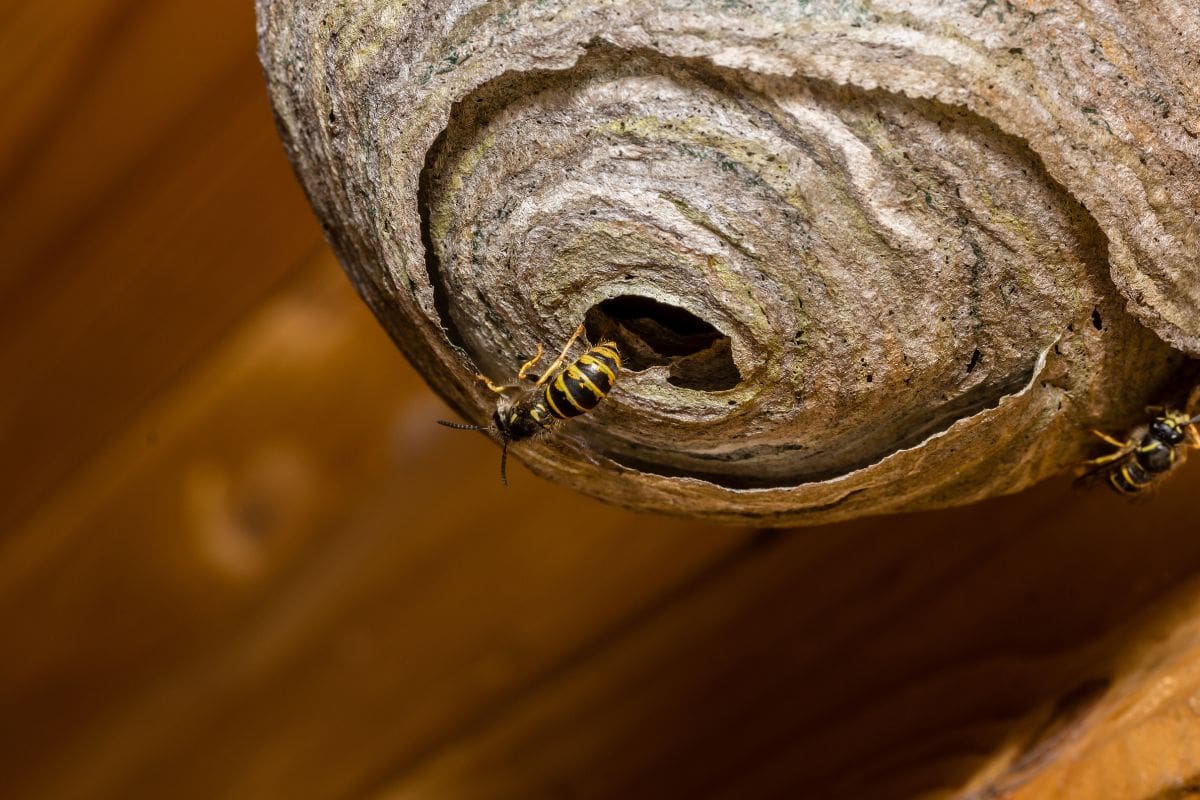
Wasp nests are made from chewed wood mixed with saliva, which dries into a papery, grey-brown material. They’re roughly spherical or teardrop-shaped, usually with a single small entry hole near the bottom.
The size depends on the time of year, which leads us neatly to the most useful question to understand if you’re trying to work out what to do.
What time of year do wasps build nests?
The wasp year follows a predictable pattern, and knowing where you are in it helps you decide how urgently to act.
March to April. Queen wasps emerge from winter hibernation. They look for somewhere sheltered to start a nest, often investigating houses, sheds and lofts. A single queen builds a tiny starter nest, about the size of a golf ball, and lays the first eggs. This is the easiest time to deal with a nest if you spot one, because there’s only one wasp.
May to June. The first workers hatch and take over building duties while the queen focuses on laying. The nest grows steadily and can reach the size of an apple or small grapefruit by the end of June. Wasp numbers start climbing into the hundreds.
July to August. Peak season. The nest can be the size of a football or larger, with thousands of wasps inside. This is when most people first notice they have a problem, because the volume of wasp traffic becomes obvious.
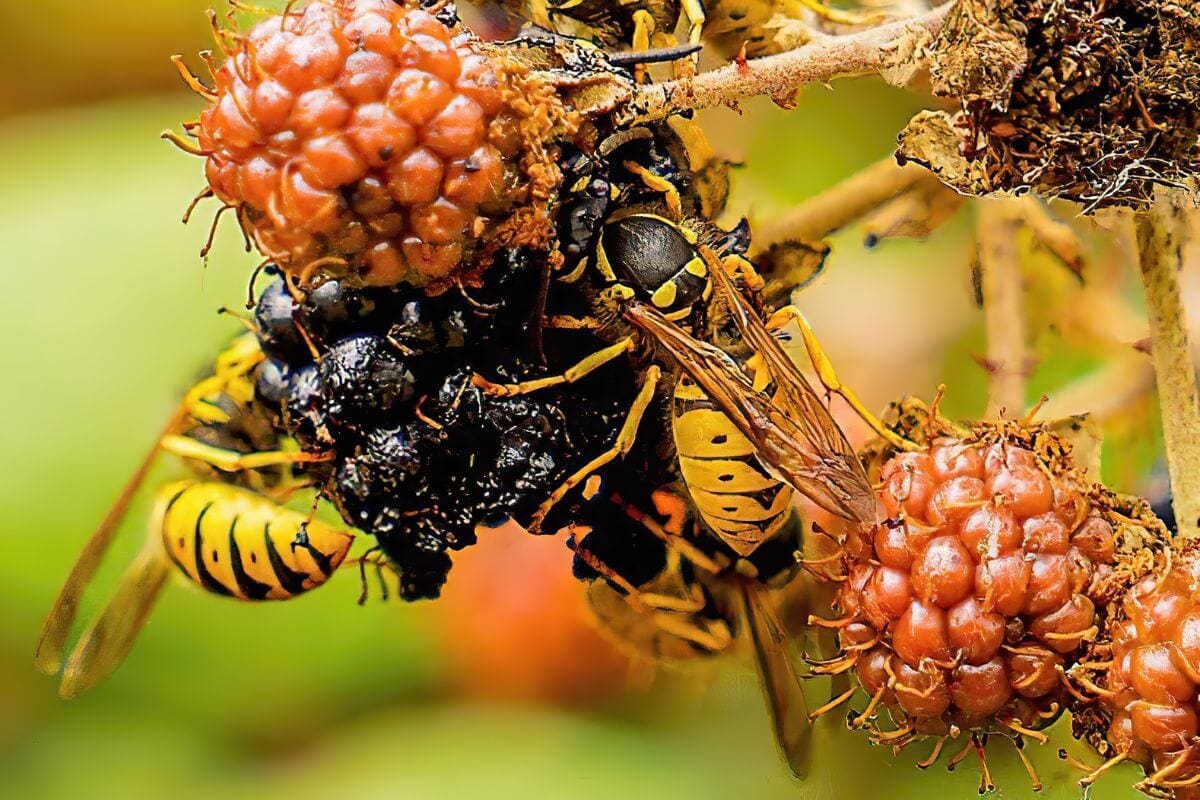
September to October. Wasps become noticeably more aggressive. The colony has stopped raising new workers, the queen’s egg-laying has slowed, and the workers are essentially redundant. They become more interested in sweet things (your pint, your jam, your bin) and more easily provoked.
Late October to November. Most workers and the old queen die off as temperatures drop. New mated queens leave the nest and find somewhere sheltered to overwinter alone, often in lofts, sheds or behind bark.
So yes, you can absolutely get wasp nests still active in October, particularly in mild years and in southern England. Once we get a proper cold snap, the colony collapses quickly.
Does a wasp nest go away on its own?
Yes, eventually. Wasp nests are annual. Every nest dies out by late autumn, and they are not reused the following year. If you find an old nest in your loft in February, it’s empty and harmless. However, old nests can attract other insects or bugs which can cause a new problem.
That doesn’t mean leaving an active nest alone is the right call. Between spring and autumn, the nest grows, the wasp numbers grow, and the risk to anyone nearby grows with it. Waiting for nature to take its course is fine in principle but means living with thousands of increasingly aggressive wasps for several months.
The other thing to know is that while the same nest isn’t reused, wasps tend to like the same locations. If you’ve had a nest in your loft this year, there’s a decent chance a queen will start a new one nearby next spring. Sealing up the entry points after the nest is gone is the way to break the cycle.
What is the best month to get rid of a wasp nest?
The honest answer is “as soon as you find it”. The earlier in the year you act, the smaller the nest and the easier the treatment. A nest dealt with in May is a much smaller job than the same nest left until August.
That said, professional pest controllers can deal with a nest at any point in the season. We treat plenty of August and September nests, and they’re routine work for someone with the right kit and training. The only situation where treatment becomes pointless is October onwards, when the colony is already collapsing and the wasps will be dead within weeks anyway.
What happens if you don’t get rid of a wasp’s nest?
Three things, broadly.
The nest grows through summer until it dies naturally in autumn. By August, a nest of common wasps can hold five to ten thousand individuals. That’s a lot of wasps emerging into your garden, your loft, or wherever else they happen to be.
Wasps become more aggressive as the season progresses. Late summer wasps sting more readily, especially around food and drink. The risk of being stung when you’re nowhere near the nest itself goes up sharply in August and September.
Wasp stings can be genuinely dangerous for some people. The NHS notes that severe allergic reactions (anaphylaxis) to wasp stings are rare but require emergency treatment. If anyone in your household has a known sting allergy, or if the nest is near a doorway, washing line, children’s play area or anywhere with regular foot traffic, you need to deal with it sooner rather than later.
What kills wasp nests instantly?
Not a lot.
The aerosol “wasp killers” sold in supermarkets and DIY stores can knock down individual wasps in flight, but they can’t reliably destroy a nest. The active ingredients don’t penetrate far enough into the nest structure to reach the queen and the brood, and what often happens is that you anger several thousand wasps without killing them.
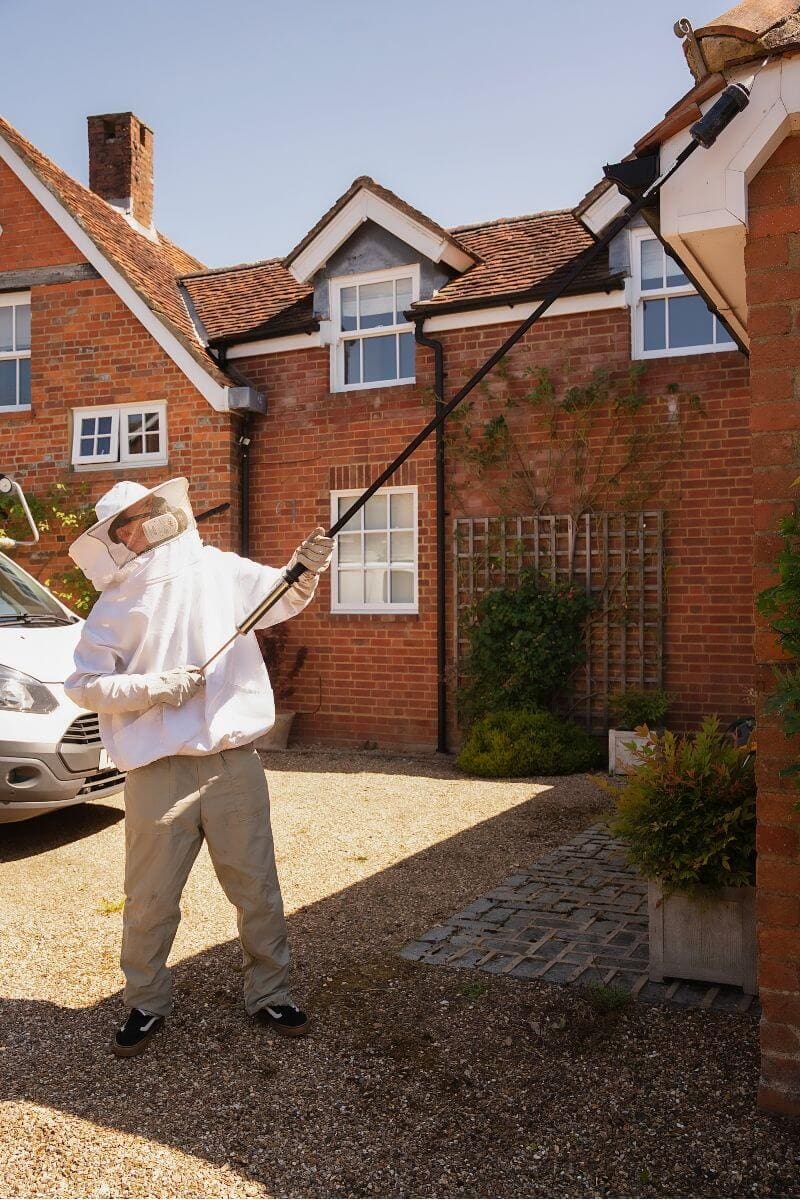
Professional treatment uses insecticidal dust applied directly into the nest entrance with proper PPE. The dust works because wasps walk through it as they enter and leave, carrying it deep into the nest where it kills the colony at source over the following hours and days. This is what actually works, and it’s what the British Pest Control Association (BPCA) member companies are trained to do safely.